Local Vendor Gift Shopping: A Checklist for Unique Market Finds
A practical checklist for buying gifts from local market vendors — how to choose for a specific person,...

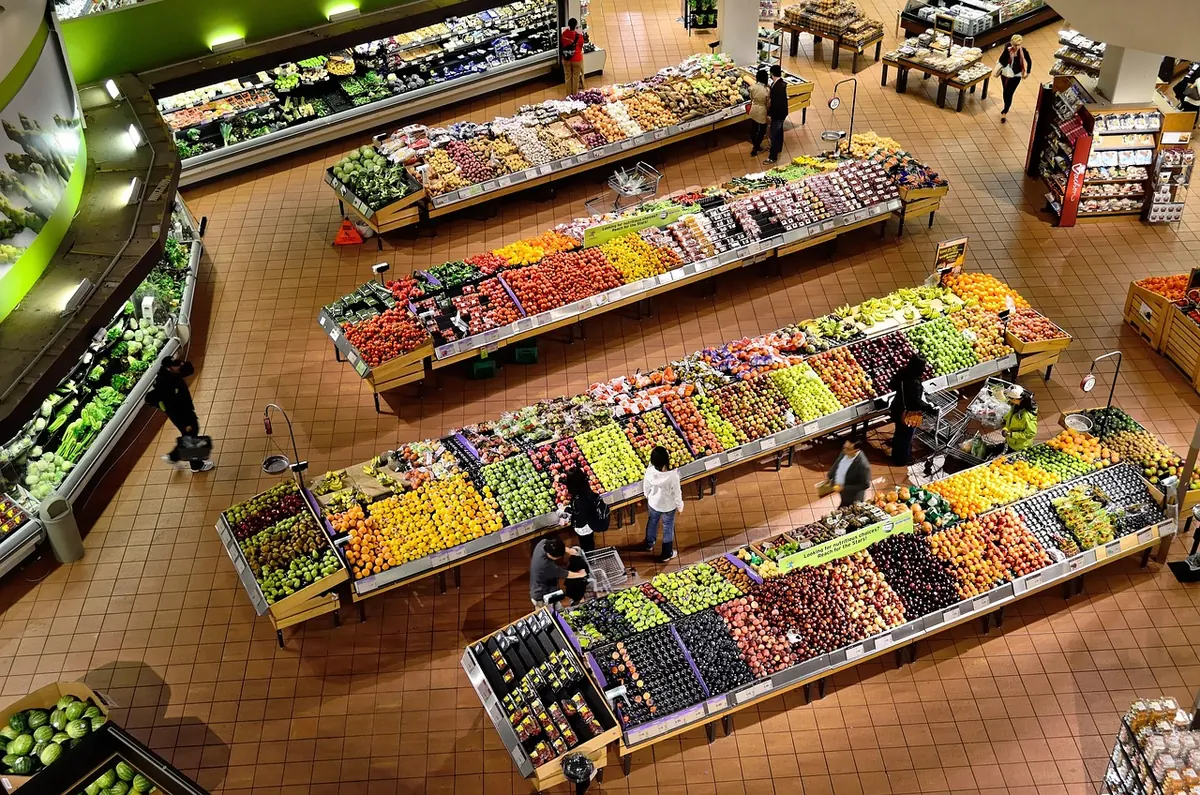
At seven in the evening, every stall looks a little more romantic. String lights are on, crates are stacked, and someone is calling out the last of the tomatoes. It is easy to assume the person selling the tomatoes grew them. Sometimes they did. Sometimes they are a reseller who bought the same tomatoes at a wholesale market that morning. Neither is automatically dishonest, but if you came for food with a local story, you need quiet ways to tell the difference.
A small grower's stall often has a personality that is hard to fake. It may be narrow: six kinds of tomatoes, a pile of courgettes, bunches of basil tied with string, and a handwritten sign that says "last of the broad beans". It may also be messy in a particular way. The produce is not uniform because it came from a field, not a packing line: small tomatoes, large tomatoes, a few with splits, a box of seconds sold at a lower price.
That is a clue, not a rule. A mixed farm can bring a wide range, and a reseller can buy irregular produce. The more reliable question is seasonality. What is on the table now, and does it fit the time of year? Out-of-season produce is not proof of reselling—greenhouses and storage exist—but fresh local asparagus beside local cherries in the wrong month deserves a polite question.
Ask what a nearby field would be giving you this week. A producer's table usually follows the local curve, with gluts and gaps. One week there are more courgettes than anyone can eat; the next, the beans are finished. A reseller can smooth out those gaps because they buy from many places. A producer cannot. That is why "we'll have them again in a fortnight" is such a good sign.
A local producer is usually proud of a name and a place. Look for a farm name, a village, a maker's name on a jar, or a simple sign that says who grew or made what you are buying. It does not have to be elegant. A piece of cardboard reading "Marta's eggs—three streets away" is more useful than a glossy banner that says "Fresh Local Produce" and nothing else.
Packaging is trickier. Good vendors reuse boxes, so a wholesale crate proves nothing. The clue is whether the vendor can connect the food to a place and a person. If the label on a jar names the maker, ask how long they have been making it. If a box names a distributor and the vendor shrugs when you ask where it came from, notice that. So is a stall where every item has the same supermarket-style sticker and no one can say which farm grew the peaches.
Hands give away experience. A grower will often sort through a crate and pull out a bruised peach before you buy it. They will tell you which variety is sweeter today, which needs two days on the windowsill, and which is best for sauce. They may warn you that the last spinach is better cooked than eaten raw. That knowledge usually comes with a story about weather or a stubborn crop.
A reseller can be just as careful; good shopkeeping is a skill. So listen to the detail. Does the vendor know why the tomatoes are small this week? Can they tell you what changed since last month? Do not march up and ask, "Is this really local?" That invites a yes or no and puts people on the defensive. Ask something open while you pay:
Listen for specifics. A producer might mention a village, a neighbour's bees, a hail storm, or a sowing that failed. A reseller might say "it's from the countryside" or "from my supplier" and leave it there. That is not proof on its own; some producers are shy or busy. But vagueness plus no detail is a signal. One follow-up—"Which supplier?" or "Which village?"—will usually show you whether there is a real answer underneath.
Most genuine vendors are consistent. The food, the sign, and the conversation point in the same direction. When they do not, slow down. You might see a tiny table with a huge range of unrelated goods—tropical fruit, local cheese, olives, flowers, cured meat—all presented as one farm's work. That is possible for a cooperative or a shop, but it is worth asking. You might see perfect out-of-season produce with no explanation, or hear a different story from the same stall on two different weeks. None of these is a crime; they are reasons to ask.
A flawless pyramid of identical fruit is not automatically a bad sign. Some producers grade carefully. But a small farm usually has variation, and a market stall usually has a few crates of seconds or a handwritten note about a crop that did not do well. If everything is uniform, branded, and out of step with the season, ask where it came from. If the answer is clear and specific, buy with confidence. If it is vague, you can still buy good food—just do not assume the person selling it grew it.
A reseller is not the villain of the market. Many are local greengrocers, family businesses, or small shops that fill gaps for customers. They may bring in lemons, bananas, or avocados that no nearby farm grows. Some producers also buy in a few items so their stall is useful. The problem is not reselling; it is a false story.
Transparency is the best signal. If you ask "Do you grow all of this yourself?" and the vendor says, "No, the greens are mine, the lemons are from a friend, and the bread is from the bakery down the road," that is a good answer. You know what you are buying. A genuine local vendor can be a producer, a maker, or a trusted reseller with real local links. Clarity is what matters.
One conversation is a snapshot; a season is a story. Go back to the same stall next week and ask whether the tomatoes came in. A producer will remember, and will often tell you what is coming next. You will start to see the rhythm: the first courgettes, the gap before the beans, the week the apples arrive. A reseller can have a rhythm too, but it will be a buying rhythm, not a growing one. Over time, the difference becomes obvious.
Repeat visits also make you a better customer. Vendors are more likely to explain what is good, what is tired, and what is worth waiting for. You do not need to become an inspector. Pay attention, ask one good question, and come back.
Before you fill a bag, take one slow lap. Look for a name, a place, and a short list of what is in season. Then choose a stall and ask one open question: "What did you pick this week?" or "What is best today?" Listen for specifics. If the answer is vague, ask one follow-up. If the story still does not match the food, buy what you need, but do not assume it is local. If you want local produce, say so plainly: "I'm looking for food grown nearby. What do you have?" Honest vendors will appreciate the chance to answer. Then go back next week. A market is not a label on a jar; it is a relationship you can check, season after season.
Photo: ElasticComputeFarm / Pixabay
A practical checklist for buying gifts from local market vendors — how to choose for a specific person,...
Evening markets do more than sell food after work — they turn a square into a meeting place and give small...
A practical guide to evening market events with children: when to arrive, what to pack, how to handle...