Local Vendor Gift Shopping: A Checklist for Unique Market Finds
A practical checklist for buying gifts from local market vendors — how to choose for a specific person,...

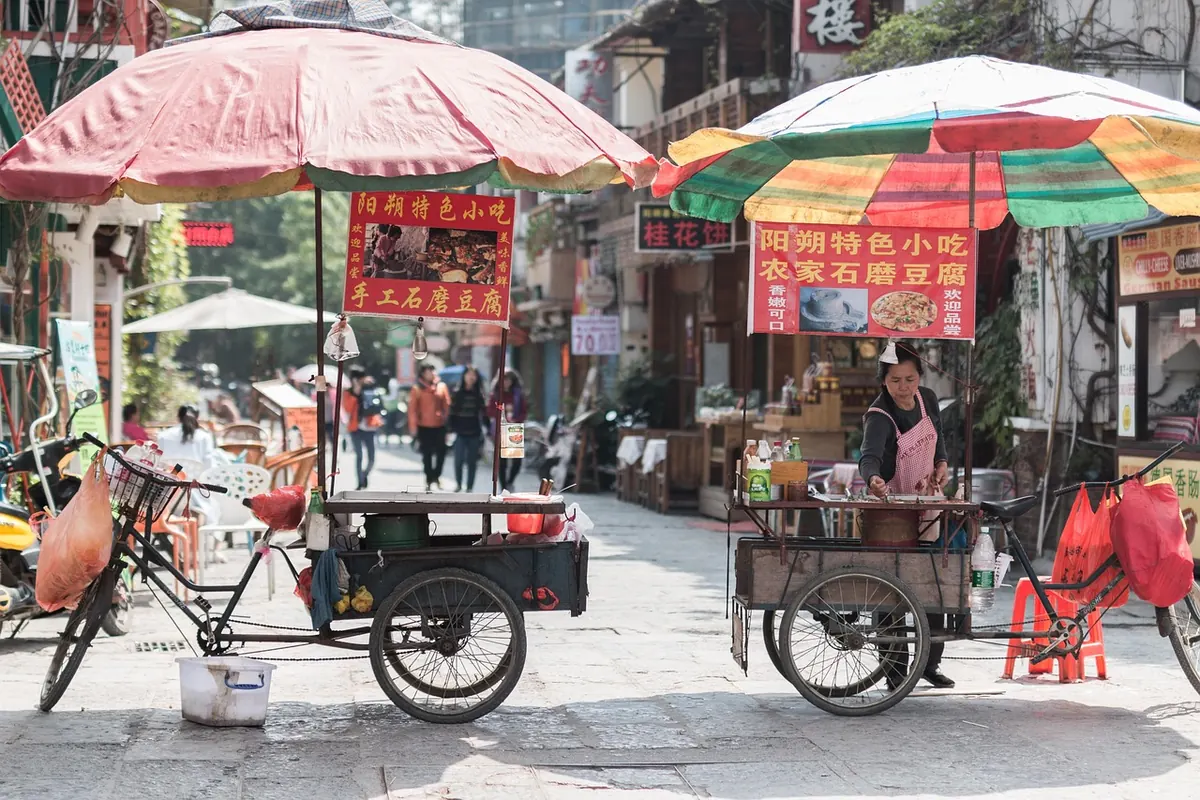
A market stall is a strange kind of shop. Everything on it is visible, and almost nothing about it is written down. The tomatoes have no label. The cheese has no card. The bread tells you when it was baked only by the way the crust gives under your thumb.
That is not a flaw in the system. It is an invitation. Vendors who work the same pitch every week carry a full inventory of knowledge in their heads: which field the greens came from, why the peaches are small this year, what to do with the bunch of purple basil you nearly walked past. Most of it stays in there unless somebody asks. These ten questions are the ones worth asking, roughly in this order.
Origin shapes everything else on the stall. A crate of flawless peppers trucked in from far away can be perfectly good. A crate of slightly uneven peppers picked twenty kilometres outside town can be better, and the person selling them knows which is which. Ask plainly, then listen for specifics rather than reassurances.
1. Where was this grown? Look for a place name, not a country. "Italy" is a category, not an origin, and on a market that prides itself on local produce it is often a polite way of saying "somewhere else." A vendor who answers with a town, a valley or the name of a farm is telling you they know the chain of custody firsthand.
2. Did you grow this, or are you reselling it? Both answers can be honest, and both can be good. Stalls that bring in citrus and bananas alongside their own greens are entirely normal. What the question reveals is whose expertise you are getting: the grower's, or a buyer's. Neither is a problem. A sudden change of subject is.
3. What is the farm called? Anyone with a real relationship to their stock can answer this in a second. If the question produces a shrug and a wave at the crates, you have learned something useful without anyone being rude.
For some products, freshness is measured in days. For soft fruit, salad leaves, herbs, mushrooms and eggs, it is measured in hours, and the difference rarely shows on the surface.
4. When was this picked? "This morning" and "Tuesday" are different products even when they look identical under the stall light. Ask it of anything fragile. Ask it once and you will start noticing which stalls answer without hesitating.
5. How should I keep it? A question that does double duty. It gets you advice you can actually use, and it tests whether the vendor knows their own stock. Someone who tells you to keep the basil out of the fridge, to wrap the cheese in paper rather than plastic, or to eat the peaches within two days is paying attention. "Like normal" is not an answer; try a different question.
6. What would you do with this? The best question on the list, and the one vendors most enjoy. It flatters nobody falsely, costs nothing, and often produces a recipe, a cooking time and a warning about the one batch that came out saltier than usual. Buy the thing they point at when they answer.
Pay attention to hands as much as sentences. A vendor who picks up the item, turns it over, tells you which side bruises first, or offers you a taste is giving you a small demonstration of competence. Vague enthusiasm with no detail, especially about produce the vendor claims to have grown, is worth noting. So is the opposite: a short, gruff answer that happens to be precise.
7. Is this in season here? Off-season produce is not a scandal, but it is a different product, and honest vendors distinguish between field-grown and glasshouse-grown without being pushed. Ask in February about the tomatoes and you will learn a great deal about who you are dealing with.
8. How much longer will it be around? This is the question that turns a shopper into a regular. The answer tells you when to stock up, when to freeze, and when to stop buying entirely. Peaches, asparagus, artichokes and chestnuts all have short windows, and the person behind the counter usually knows the exact week they close.
9. How long have you been at this market? Regularity is its own form of accountability. Someone who has stood on the same square every Saturday for years has a reputation to protect and neighbours who will hear about it if they sell you a bad melon. Ask also what happens if something turns out to be poor inside; most vendors will sort it out, but it is worth knowing before you need to.
10. What do you sell most of? Every stall has a strength, and it is rarely the thing displayed at the front. The answer might be the cured meat, the new potatoes, the sourdough, the olives. Buy that first and judge the rest of the stall by it later.
Ten questions in a row, delivered to a vendor with a queue behind you, will not go well. Use judgement, spread the questions across visits, and keep the tone conversational rather than investigative.
Fold this into your phone notes before the next market morning, and use it as a prompt rather than a script.
None of these questions requires a vendor to reveal a trade secret, and most of them are a pleasure to answer. Ask two or three, remember the replies, and come back the following week. Within a month you will have something that no supermarket can offer: a person who knows what you like, tells you honestly when the strawberries are not worth the money, and puts the good crate aside when it arrives.
Photo: YangGuangWu / Pixabay
A practical checklist for buying gifts from local market vendors — how to choose for a specific person,...
Evening markets do more than sell food after work — they turn a square into a meeting place and give small...
A practical guide to evening market events with children: when to arrive, what to pack, how to handle...