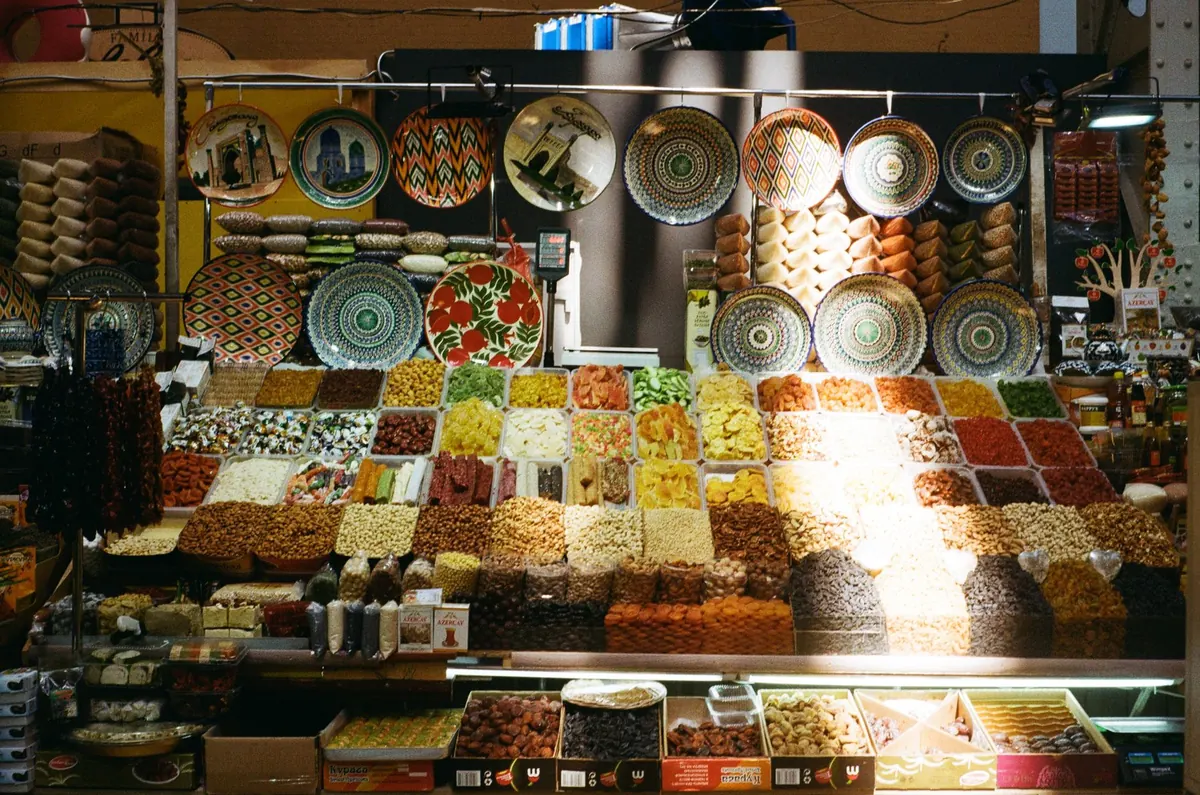
How Evening Markets Support Neighborhood Community: An Explainer
Evening markets do more than sell food after work — they turn a square into a meeting place and give small...

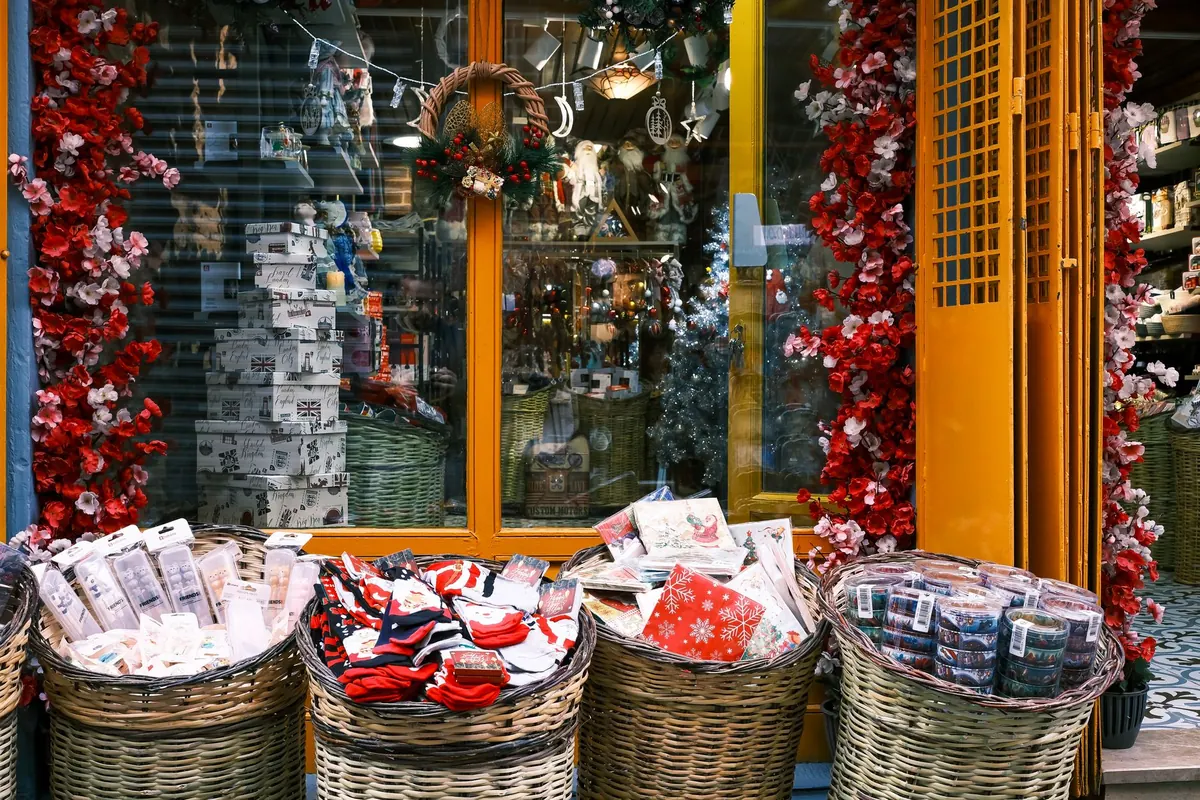
A Saturday market does something to your judgment. The honey is being poured, the bread is still warm, the woman at the stall remembers you from last month — and every table starts to look like a gift shop. That is the pleasure of buying from local vendors, and also the risk. A market gift can be the most thoughtful thing someone receives all year, or a jar that sits in a cupboard until it has moved house twice. The difference is rarely money. It is a little planning and a fair amount of restraint.
A market is a poor place to decide who you are shopping for. It is an excellent place to find something for a person you already have in mind.
Before you leave the house, write down four or five names and put one line beside each: what they cook, what they drink, whether they have a garden, how much kitchen space they have, whether they travel. Three minutes of this does more for your choices than any clever display.
That one line changes the verdict on the same object. A friend who cooks for one and has two cupboards will not thank you for a five-litre jar of passata, however good it is. Someone who hosts lunch every Sunday will finish it by March. A small bottle of good oil is a fine gift for the first friend and a slightly strange one for the second.
For the person who seems to have everything, aim for something they will use up. Consumables solve the storage problem and the taste problem at once, because a good bottle gets opened and a decorative object gets politely hidden.
Most regretted market purchases fail the same short test. It takes about thirty seconds, and it is worth running while the vendor is wrapping something else.
Two honest noes and it stays on the table. You do not need a perfect score; three yeses is usually enough. If you are buying several gifts, keep your gift money separate from the rest of your cash. It is a blunt tool, but it works better than willpower at eleven in the morning.
Buying from a local vendor gives you something a shop cannot: the person who made the thing is standing in front of you. Use that, even if you feel awkward at first. Vendors generally prefer a curious customer to a silent one.
The answers become the gift tag. A card reading "made two streets away, in batches of forty, keeps for a month" is more memorable than most wrapping paper. If you are buying for someone with allergies or dietary restrictions, ask the vendor directly about ingredients. Small producers often know exactly what went in, even when the label is handwritten and brief.
Markets are built to make you want things — warm light, samples, a crowd, a stallholder with a good line of talk. None of that is dishonest, but it does blur your judgment. These are the shapes the impulse purchase usually takes.
Two habits help. Walk the whole market once before you buy anything; you will often find a better version of the first thing you loved at the fourth stall. And if you are still thinking about an item ten minutes later, go back for it. If you have forgotten it, that was your answer.
Some categories do the hard work for you, because they are easy to carry, easy to use and hard to get wrong.
Pack as though the gift has to survive a bicycle basket, because it might. Jars travel best wrapped in a jumper or a scarf rather than loose in a bag; ceramics want padding on every side. Bring a tote and a folded cloth bag — you will buy more than you planned, and a vendor's thin paper bag is not built for a bus ride.
Most market food is at its peak within days, so give it close to the date. If you are buying cheese, bread or anything fresh for a gift, say plainly when it should be eaten and how it should be kept. A short note takes the guesswork out of it for the recipient.
Write the maker's name and the date on the jar or the tag, and photograph the stall's card before you walk away. In a year, when someone asks where that honey came from, you will be glad you did. It also makes next year's shopping much easier.
Keep this on your phone and read it at the entrance, not at the third stall.
Do that much and the market stops being a trap for your wallet and starts being what it is good at: a place where a modest amount of money buys something specific, made by someone whose name you know. That is a better gift than anything a screen can suggest.
Photo: Onur / Pexels
Evening markets do more than sell food after work — they turn a square into a meeting place and give small...
A practical guide to evening market events with children: when to arrive, what to pack, how to handle...
A practical guide to turning cheap market stall finds — day-old bread, sauce vegetables, beans, cheese...