Local Vendor Gift Shopping: A Checklist for Unique Market Finds
A practical checklist for buying gifts from local market vendors — how to choose for a specific person,...

An evening market in March and the same market in August can feel like two different places. In spring the stalls thin out by dusk and the tables hold seedlings, forced rhubarb and the first tight bundles of wild garlic. By late summer the square is still busy at nine at night, with stone fruit stacked to the edge of the table and something grilling at the far end. The calendar shapes what is available, how long the market stays open and what kind of evening it becomes. Knowing that rhythm makes shopping easier and a good deal more enjoyable.
Light is the first variable. Once the clocks change, evening markets gain an hour of usable daylight, and organisers respond by booking more stalls, adding music or pushing closing time later. In winter the same market may finish before full dark, or move under cover and concentrate on food, drink and gifts rather than produce.
Harvest sets supply, and holidays set the theme. Easter, midsummer, the first apples, the chestnut roasts of October, Advent lights in December — most evening markets anchor their programme to these moments. A monthly market will often build a whole evening around one of them; a weekly market keeps its core stalls but rotates guests, demonstrations and food trucks.
Schedules move more than people expect, particularly at the edges of the year. Check the organiser's calendar at the start of each season rather than relying on last year's memory. And treat the months below as a general frame: seasons shift with latitude, altitude and the weather of a given year, so a cold spring can push everything back by a fortnight.
From March the market starts to look alive again. Expect wild garlic, spring onions, radishes, watercress, spinach, the first rhubarb, and herbs in pots rather than cut bunches. Growers bring seedlings and seed potatoes, which is one of the quiet pleasures of a spring market: you can buy dinner and next summer's tomatoes in the same lap.
Asparagus, peas and broad beans arrive as the season advances, with strawberries usually appearing towards the end. Easter markets lean towards lamb, baked goods, eggs and crafts. Evenings are still cool, so bring a jacket and a bag that closes properly — spring greens are delicate and hate being crushed under a heavier shop.
Buy asparagus and peas early in your lap rather than last, and ask whether the greens are field-grown or under cover. The answer tells you far more about how the local season is running than any sign on the stall.
June to August is the loudest stretch of the market year. Tomatoes arrive properly, followed by courgettes, cucumbers, peppers, aubergines, beans, sweetcorn, berries, melons and stone fruit. Fresh herbs become cheap enough to buy in bunches rather than pots. Event programmes fill up with live music, street food, children's activities and later closing times.
Two strategies work well. Arrive at opening for the best choice and the calmest browsing, or come in the final hour when the crowd thins and many sellers would rather move a crate than pack it back into the van. Both are legitimate; they simply suit different evenings.
Heat is the practical problem. Bring a cool bag, buy meat, fish and soft cheese last, and don't leave produce in a warm car while you eat. If you plan to stay for dinner, shop first and eat with your bags beside you, or eat first and shop afterwards when the queues have gone.
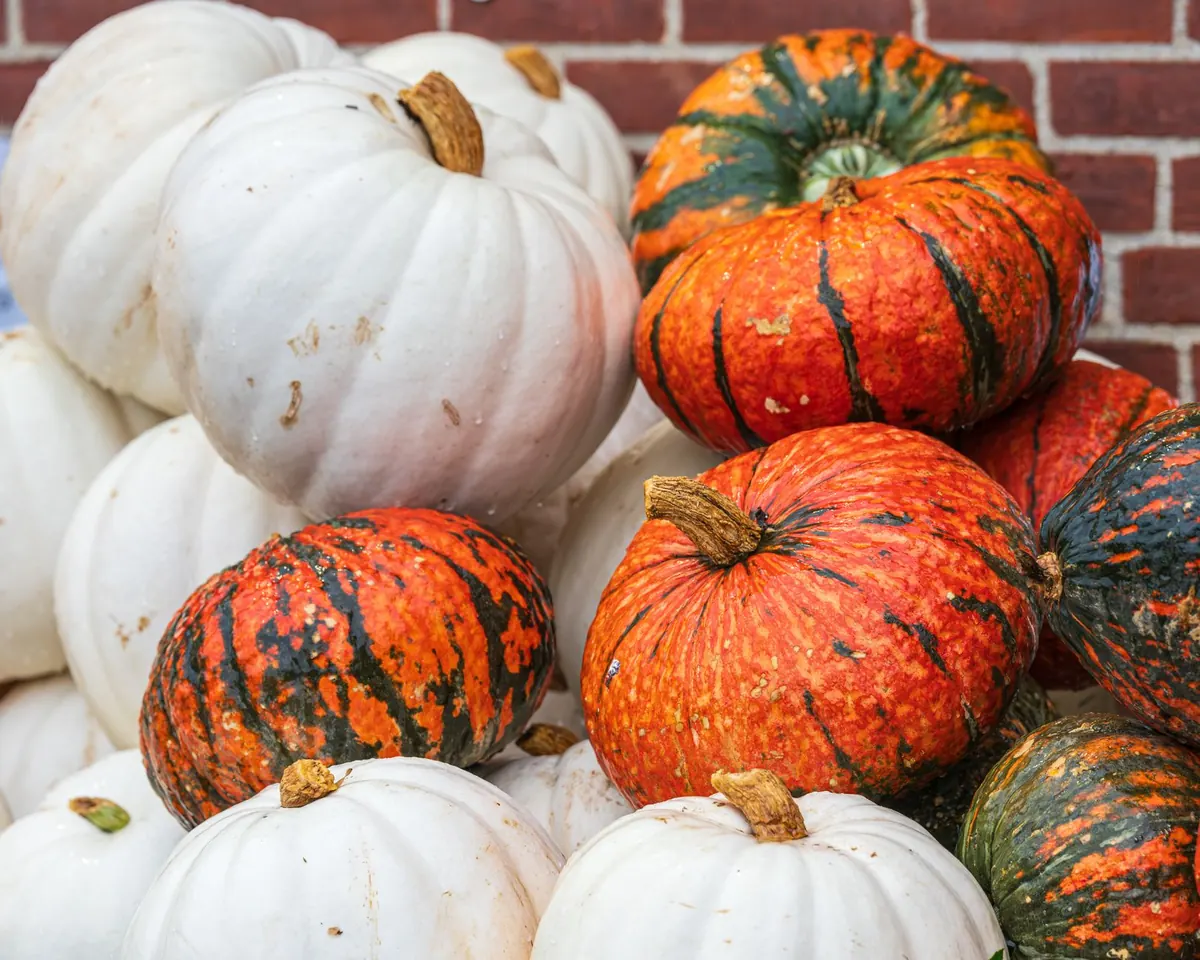
September brings apples, pears, quince, squash, beetroot, cabbage, leeks and the last of the tomatoes. By October the tables are heavier: pumpkins, chestnuts, mushrooms, grapes, root vegetables and stored onions. Harvest fairs, apple pressing, chestnut roasts and preserve swaps are common themes, and many markets add a second evening in the week to cope with demand.
This is the season to buy in quantity. Ask about second-quality fruit for sauces, chutneys and freezing — a bruised apple makes perfectly good compote. Ask growers how to store squash, apples and onions at home, because a cool, dark, airy spot will keep them useful for weeks.
With wild mushrooms, buy only from sellers who can name the species and say where they came from, and don't rely on guesswork if you plan to forage yourself. Follow local guidance and, when in doubt, leave it out.
December is the market's most theatrical month: strings of lights, craft stalls, warm drinks, cheese, cured meats, nuts and dried fruit. Produce hasn't disappeared, though. Look for roots, hardy greens such as kale and cabbage, leeks, stored apples and the first citrus. January is quieter and shorter, with fewer stalls but often very good value on storage crops. February brings citrus at its best, early greens and the first seed catalogues of the year.
Practicalities matter more in winter. Winter markets get dark early, so bring a small torch or use your phone to inspect produce properly. Wear gloves, check whether the market is indoors or partly covered, and favour a weeknight in December if you want to browse without crowds.
Vendors remember the people who ask real questions. Where was this grown? When was it picked? How should I store it? What's coming next week? What would you do with this if you took it home? Those five questions will teach you more about a local season than any label. They also help you avoid buying a crate of something you have no plan for.
Keep a folded tote and a cool bag within reach so a market stop never depends on remembering them. Check the calendar before you leave, since a themed evening can change both the closing time and the mix of stalls. Carry a little cash even where cards are accepted, because smaller producers sometimes prefer it and signal can be unreliable in a crowded square.
Do one lap before buying anything. Note what looks genuinely good rather than what was on your list, then go back and buy. Pick up heavy items first and fragile ones last, layer up in winter, and stay curious about unfamiliar vegetables — a short conversation at the stall usually produces a workable recipe.
The market rewards a little planning and a lot of flexibility. Go with a rough idea of what the month should offer, leave room for what looks better than you expected, and let the season do some of the deciding.
Photo: Phil Evenden / Pexels
A practical checklist for buying gifts from local market vendors — how to choose for a specific person,...
Evening markets do more than sell food after work — they turn a square into a meeting place and give small...
A practical guide to evening market events with children: when to arrive, what to pack, how to handle...