Local Vendor Gift Shopping: A Checklist for Unique Market Finds
A practical checklist for buying gifts from local market vendors — how to choose for a specific person,...

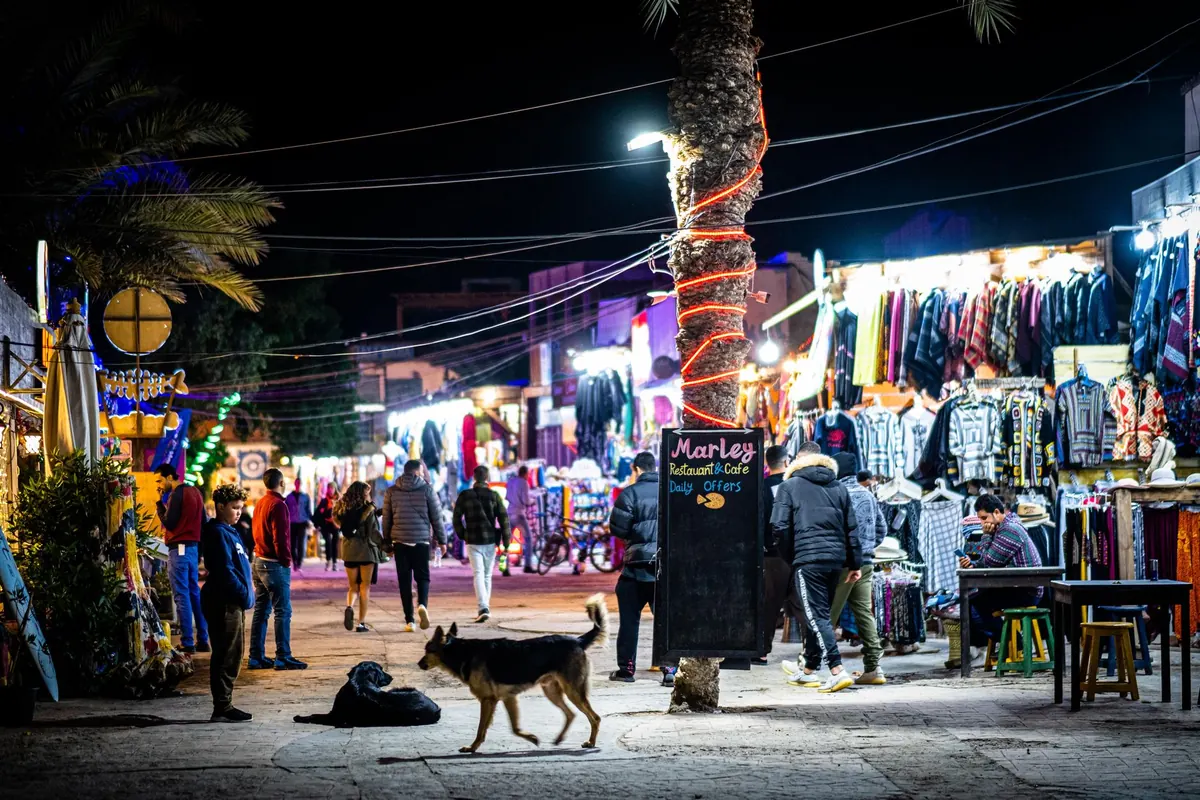
An evening market looks effortless from the outside. Strings of lights, a grill somewhere, crates of tomatoes still cool from the morning, and a crowd that seems to know exactly what it is doing. The first visit rarely feels that way. You arrive with a vague idea of buying "something nice", you drift past the same three stalls twice, you end up with a bag of peaches you did not need and no cash left for the cheese you actually came for. None of this is a character flaw. It is a small set of planning and buying errors that almost everyone makes once, and that are easy to correct on the second visit.
The single most common mistake is treating an evening market as if it runs until the shops close. It usually does not. Many evening markets are weekly or monthly events, set up in a piazza or along a street, and they wind down earlier than people expect. Stalls that were fully stocked at seven can be folding tables by ten, and the best produce goes in the last hour of trading, not the last ten minutes.
The fix takes two minutes. Before you leave the house, confirm three things: the day, the closing time, and the exact location. A market advertised in the main piazza may actually be in the side streets behind it, and one listed as "until late" might mean ten o'clock for the food stalls and nine for the produce. Check the town council's website or the market's own page rather than a repost from last year.
Aim to arrive in the middle of the evening, roughly an hour after opening. The initial crowd has thinned, the vendors have finished setting up, and nothing has sold out yet. Coming right at opening means queuing behind people doing their weekly shop; coming at nine means standing in front of half-empty crates.
Card readers have spread, but a small evening market is exactly where you should not assume one is available. A single producer selling honey, a baker with a folding table, a farmer who drove in from the countryside: these are not always set up to take a card, and the nearest cash machine may be several streets away and out of service. I have watched more than one hopeful shopper hold up a queue while a vendor politely shook their head at a card.
Bring more cash than you think you need, in small notes. A twenty-euro note for a two-euro bunch of parsley is awkward for everyone at nine in the evening when the change box is thin. Keep the money split: a few notes in a pocket, the rest in an inside pocket or zipped bag. Markets are not dangerous places, but crowded, dimly lit streets are where a lifted wallet is most annoying.
First-time shoppers tend to buy the first good-looking thing they see, then discover three stalls later that the same tomatoes were better and cheaper fifty metres on. That early purchase also weighs you down while you browse.
Walk the whole market once with empty hands before you buy anything. It is the cheapest five minutes you will spend all evening.
That first lap does two jobs. It shows you the full range of what is on offer, so you can compare price and quality, and it lets you judge what is genuinely good versus what is merely the first display you saw. On the second lap, buy with purpose. If something is clearly seasonal and in limited supply, buy it when you see it; if it is a common item, wait until you have seen the whole market.
In Italian markets, prices on produce are usually quoted per kilogram, but plenty of items are sold by the etto, a hundred grams. The difference matters. A price that looks reasonable per kilo can feel very different when you ask for "un etto" and the vendor weighs out a generous pile. If you are not sure, ask plainly: "How much is this per kilo?" and "How much would this piece cost?" No vendor minds the question. Most mind guessing.
Two more buying errors worth avoiding:
Evening markets are lovely and poorly lit in equal measure. People arrive in sandals, without a bag, park somewhere questionable, and then discover the ground is uneven, the queue for the one open bar is twenty minutes long, and the walk back to the car is longer than they remembered.
A short pre-departure checklist solves most of it:
Transport deserves its own thought. If the market is in a historic centre, check for restricted traffic zones before driving; a fine costs more than everything you bought. Parking near a popular evening market fills up early, so consider walking, cycling or taking the bus, and check the last service back. There is no fun in carrying two heavy bags while watching your bus pull away.
The last mistake is quieter than the others. Nervous first-timers treat vendors as vending machines, point at things and pay, and miss the best part of a local market. These are usually the people who grew the food or made the bread. Ask what is good today. Ask how to cook the unfamiliar vegetable. Ask whether the figs will keep until Sunday. You will get honest answers, and often a better piece of fruit because you took an interest.
Be reasonable too. Haggling hard at peak hour over a two-euro item is not charming; it is just slow. If you want a deal, ask near closing time about a mixed box, and accept a no with good humour.
Confirm the time and place the day before. Arrive roughly an hour in, with cash, bags and a charged phone. Do one full lap with empty hands and a mental list of what you actually need. Buy the best things first on the second lap, ask questions as you go, and keep enough small notes for a coffee on the way home. Do that once, and the market stops being a charming confusion and becomes a proper weekly habit.
Photo: Maria Tsegelnik / Pexels
A practical checklist for buying gifts from local market vendors — how to choose for a specific person,...
Evening markets do more than sell food after work — they turn a square into a meeting place and give small...
A practical guide to evening market events with children: when to arrive, what to pack, how to handle...