Local Vendor Gift Shopping: A Checklist for Unique Market Finds
A practical checklist for buying gifts from local market vendors — how to choose for a specific person,...

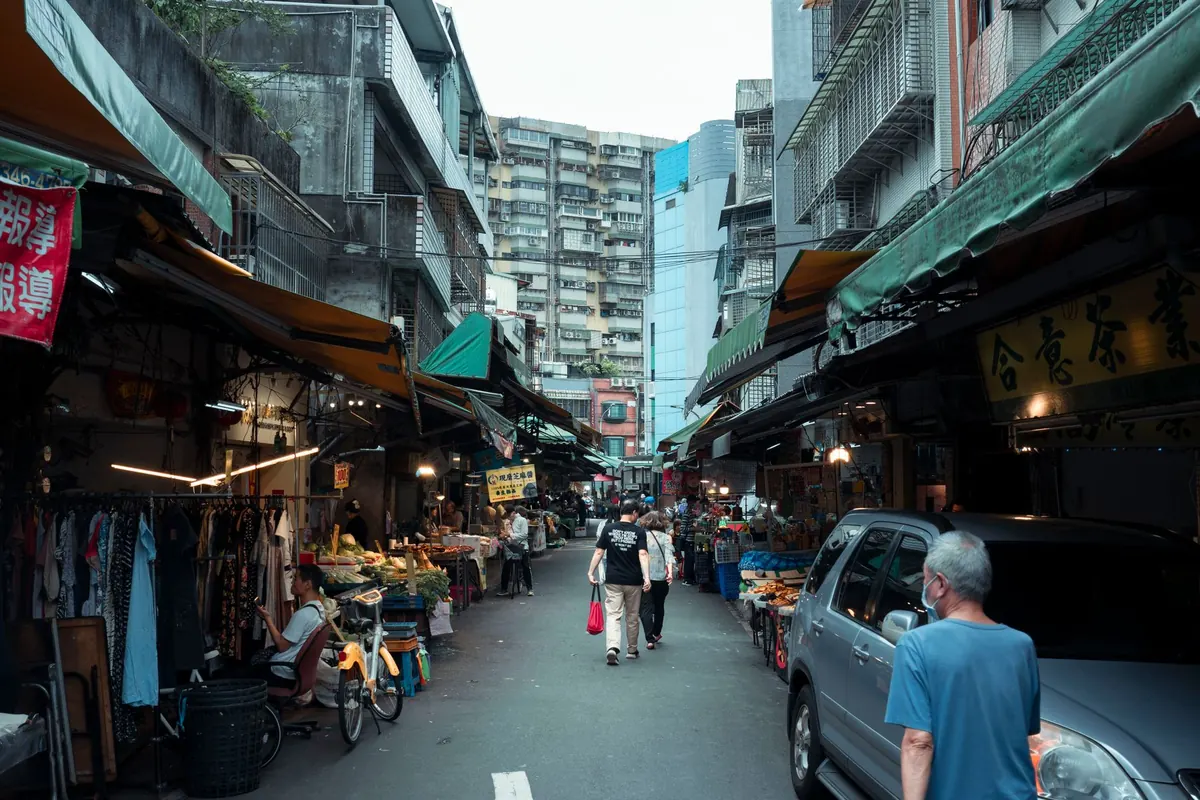
An evening market has its own rhythm. At six the stalls are still being dressed, the ice under the fish is white and untouched, and the first office workers drift in with folded tote bags in their pockets. By eight the same aisles have become a slow river of prams, dogs and people weighing the last two melons against each other. Knowing which of those two markets you are walking into — and arranging your evening around it — is most of the battle.
What follows is the routine that makes a weeknight visit work: how to time it, where to leave the car, how to read the crowd, and how to get everything home in decent condition before you sit down to eat.
Most evening markets have two waves. The first arrives between six and half past seven: stalls are fully stocked, the good bread is still there, and the people cooking that night are shopping quickly. The second wave comes after eight, when the atmosphere gets friendlier, the queues shorter and the selection thinner. Some sellers start calling out reductions near the end, but you cannot count on it, and the best produce has gone.
If you are coming from work, aim to be in the market by roughly seven. That gives you the last of the good stock without the six o'clock crush of people shopping on their way home. It also leaves you enough time to cook properly. If you know you will be late, change the plan rather than the timing: shop for a meal that tolerates improvisation — pasta, a flatbread, a salad built from whatever is left — instead of a recipe that demands a specific fish or a particular herb.
Two things are worth checking before you leave the house: whether the market runs that day at all, and when the stalls actually pack up. Evening markets shift with the season, and a market that runs until ten in July may be folding at nine in October. Look at the notice boards at the entrances or the market's own local pages rather than trusting a memory from last summer.
Evening markets tend to sit in exactly the places that are worst for cars: a piazza, a wide avenue closed to traffic, the space in front of a station. The instinct is to circle the block looking for a space near the entrance. Resist it.
Find the ring of streets around the market and park on the outer edge of it. A five-minute walk in almost always beats ten minutes of circling, and you will leave more calmly. Two details are worth thirty seconds of attention when you park: which direction the one-way streets run, so the drive home doesn't turn into a long loop, and whether the car park closes before you plan to leave. Covered garages near city markets often shut earlier in the evening than shoppers expect.
If you are buying anything heavy — potatoes, bottled drinks, a crate of tomatoes — agree on a pickup point with whoever is driving. Many markets have a natural drop-off corner where vans unload in the morning; that is usually the easiest place to meet with full bags.
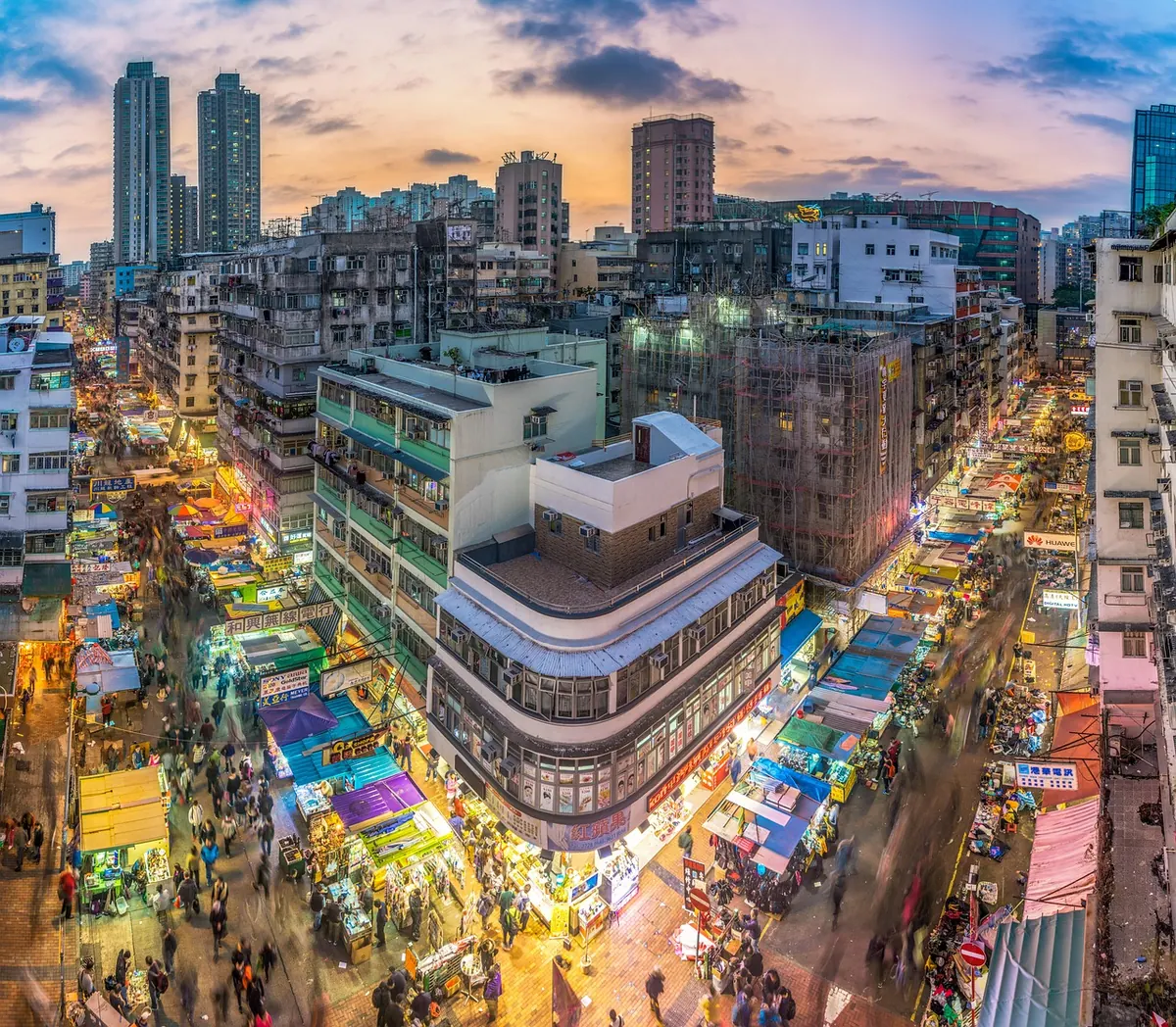
Crowds in a market are not evenly distributed. They bunch at the entrance, where people stop to get their bearings, and they cluster at the two or three stalls with a reputation. The middle aisles are usually calmer, and the far end is often nearly empty.
So walk in and keep walking. Do one slow lap of the whole market before you buy anything. You will see what is genuinely good, what is overpriced, and where the queue is moving quickly rather than standing still. It takes four minutes and saves you from buying the first decent-looking courgettes you meet.
Two pieces of crowd etiquette make the visit better for everyone: step to the side of the aisle when you stop to pay, and don't hold a conversation in the middle of a narrow passage with your basket parked sideways. In a busy evening market, an aisle blocked for twenty seconds becomes an aisle blocked for two minutes.
A shopping list is fine, but on a weeknight the order you shop in matters more than the list itself. Two forces compete: things that sell out early, and things that spoil in a warm car. Decide which one wins for each item before you start.
If you are buying fish or meat on a warm evening, tell the seller you have a drive ahead and ask them to pack it with ice or in a separate bag. Most will, and it costs you nothing.
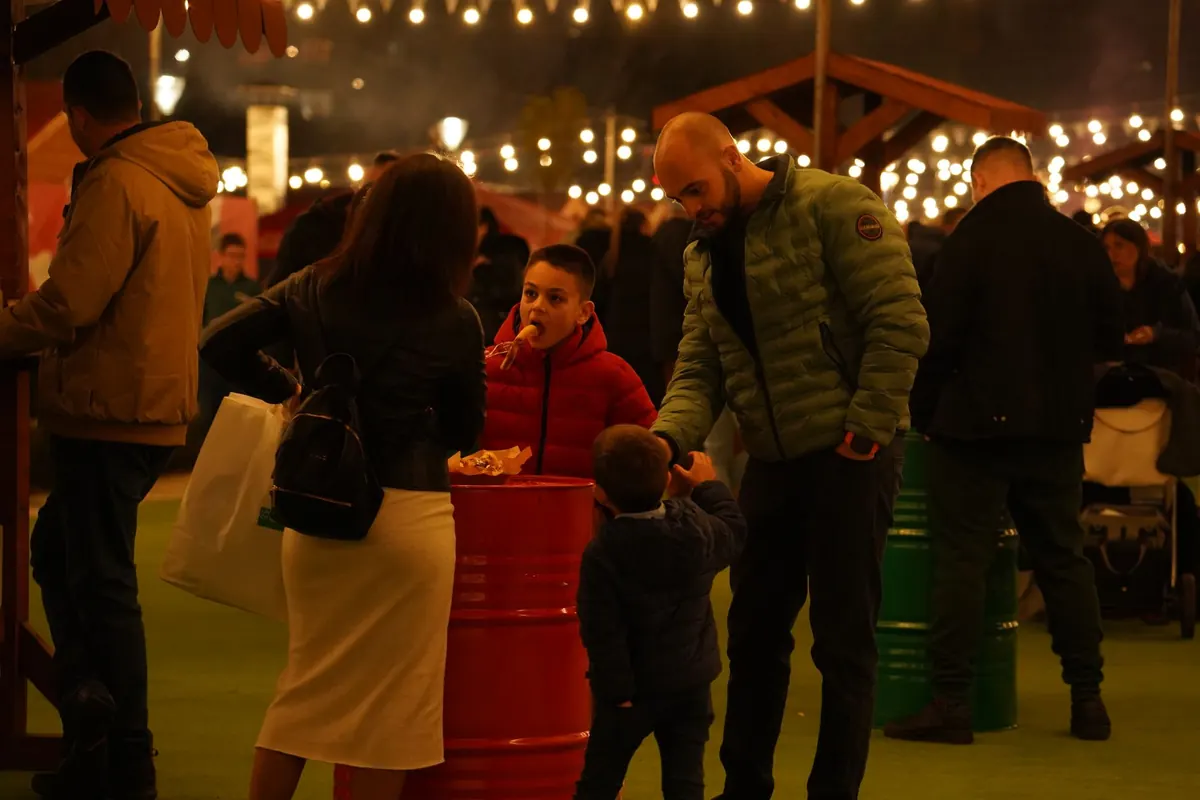
Many evening markets have a handful of stalls doing hot food, and the temptation to stay is real. If you have shopping in the car, decide first: cooked food plus a warm car plus a forty-minute drive is a poor combination for anything perishable. Either eat before you shop, or shop, drop the bags at home, and come back.
If you do stay, eat early. The food stalls get their longest queues right at the dinner hour, and the seating, where there is any, fills up fast. A plate at half past seven is a pleasant thing; the same plate at half past eight, standing, is not.
Before you join your last queue, do three things. Check that you have your keys, your card and your phone — markets are exactly the kind of place where a bag gets set down and left. Decide whether you need anything else, because turning back costs more than it seems. And work out your route to the car, so you walk out with purpose rather than wandering the perimeter looking for a street that seems familiar.
Then go home, unpack the cold things first, and put the kettle on. The whole visit should take a little over an hour. Done properly, a weeknight market is not an errand squeezed into a tired evening — it is the best part of it.
Photo: Pexels / Pixabay
A practical checklist for buying gifts from local market vendors — how to choose for a specific person,...
Evening markets do more than sell food after work — they turn a square into a meeting place and give small...
A practical guide to evening market events with children: when to arrive, what to pack, how to handle...